PSHE (Personal, Social and Health Education)
“Life isn't about finding yourself. Life is about creating yourself.”
George Bernard Shaw
This area of the curriculum is led by Miss Duggleby and Mrs Oliver. Their role is to provide the professional leadership and management for “PSHE” to secure high-quality teaching, effective use of resources and improved standards of learning and achievement for all pupils. Miss Duggleby and Mrs Oliver has been leading this area of the curriculum since September 2023. They say:
“Our PSHE or PSED (In Early Years) curriculum helps our children to create an environment that offers them to work happily together as part of a team. PSHE helps our children to feel valued, and it helps many of our younger children with learning how to behave co-operatively as part of a group. PSHE encourages an environment in which their self-esteem is nourished and strengthened. Our Quality Circle Time in school runs alongside and links with our PSHE curriculum and it gives us the chance to work together in a pleasurable and secure atmosphere that fosters self-awareness, understanding of others, self-esteem, co-operation, trust and listening skills. PSHE is an important part of the curriculum as it provides children to express their feelings, learn important life skills which helps them to become independent, confident and successful learners.
We have developed the Key Stage 1 curriculum in line with the statutory Relationships and Health Education (RHE) requirements which became compulsory in all schools from September 2020.”
The curriculum has been organised into a set of hierarchical statements to ensure that children accumulate more and more knowledge as they progress from our Nursery or Reception through to the end of Year 2. Teachers are aware that planning must always have an eye on longer-term learning and the part that knowledge building plays in this.

|
Progression in PERSONAL, SOCIAL & HEALTH EDUCATION (PSHE) | [pdf 152KB] |

|
|
|
PSHE and Relationships Policy | [pdf 105KB] |
|
|
|
Relationships Education, Relationships and Sex Education and Health Education guidance | [pdf 453KB] |
|
Here a child independently rereads a story about one of our Golden Rules- "We are Gentle".

Intent: what do we want children to know about PSHE by the time they leave our school?
Aims of teaching PSHE
We believe that helping children take their first steps into the important world of Personal, Social and Health Education we help our children achieve our school’s core purpose:
To help children to do today what they will be able to do independently tomorrow by becoming confident, successful life-long learners and responsible citizens.
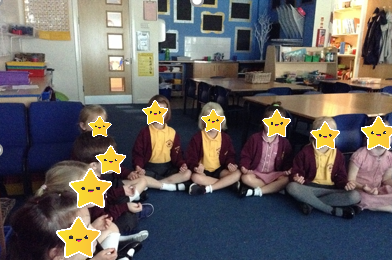
How does PSHE contribute to this? To us, PSHE develops the whole child by learning skills and attributes children need to protect and enhance their wellbeing. For example, children learn and participate in a range of mindfulness exercises such as; relaxations with music or stories and yoga sessions. Through our PSHE curriculum children are prepared for life in society now and in the future. They learn about how to stay safe and healthy both physically and mentally. In Year Two, one topic that is taught is all about their Health and wellbeing. Within this topic children learn and discuss how to stay safe when outside. In groups, they work together to record a safety video on keeping safe on the roads. These videos are then shared with the younger pupils of the school which also gives their task a purpose.
Aspiration: we want our children to develop a strong and positive view of themselves and to be confident members of their community. We also want to encourage the thinking of what they would like to do/be in the future.
Independence: children are taught a range of skills that over time help them develop independence with making relationships; managing their own safety; managing their feelings and behaviour; making healthy choices which leads them to become an independent citizen.
Motivation: through the PSHE curriculum we aim to develop children’s perseverance and resilience. We give them the support and confidence to not give up and try their best in all aspects of their life. We model and discuss how it is ok to make mistakes as we can learn from them. We consistently model having a positive mind-set for all learning and children are encouraged to have a go.
Choice of Content
Our PSHE curriculum is shaped in the way it is for a variety of reasons:
- To develop their foundations in seeing each and everybody’s value in society, from appreciation of others in the topic ‘One World’.
- To Promote their strong and positive views of self in the ‘Think Positive’ topic.
- To develop their 5 basic skills: listening, looking, thinking, concentrating and speaking.
- To build and maintain successful relationships.
- To learn how to stay safe and healthy.
We follow the Relationships, Health and Education (RSE 2019) curriculum and the Core Themes provided by the PSHE Association Programme of Study which is widely used by schools in England. The PSHE Association is recommended and referred to by the DFE in all key documentation relating to PSHE provision in schools.
Links with British Values
Our PSHE curriculum offers an excellent context for developing many of the worthwhile skills and understanding that are intrinsic British values. It provides opportunities for our children to begin to:
- Practise working cooperatively and make decisions;
- Understand democracy;
- Learn to work individually and in groups;
- Preparing to play an active role as citizens;
- Develop good relationships and respecting the difference between people;
- Make connections between cause and consequence;
- Develop their ethical and personal values.
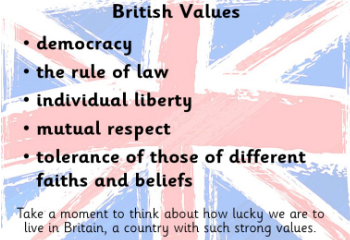
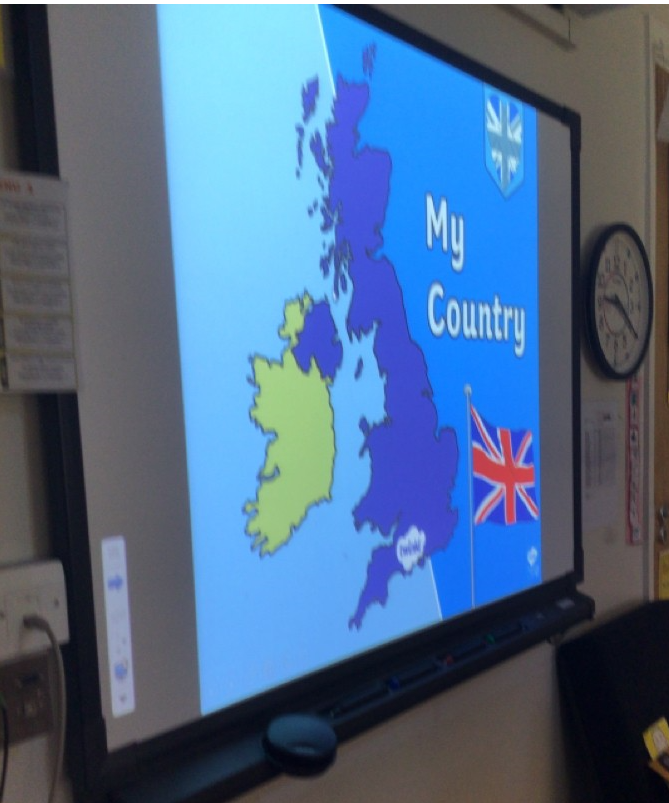
My Country
Here children talk about what it is like to live in the UK.
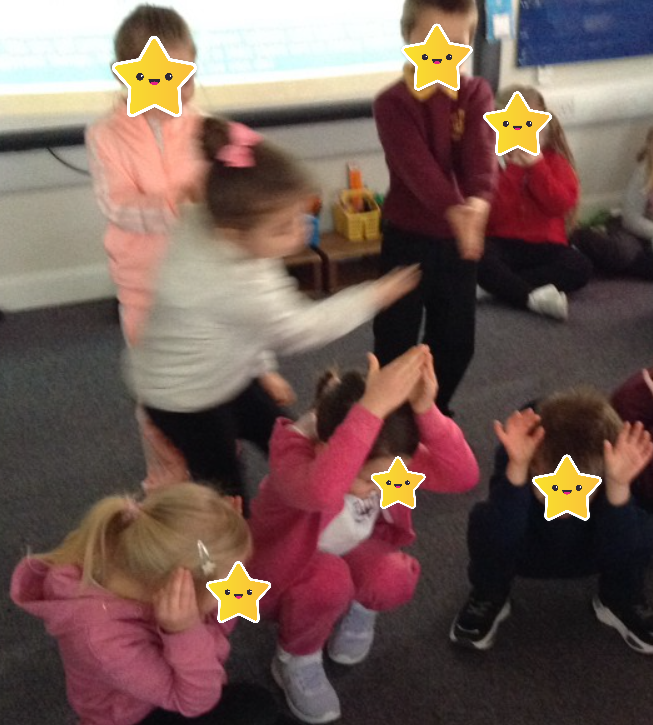
My career
Here children are being encouraged to think of different careers and play a guessing game to work out what the job is.
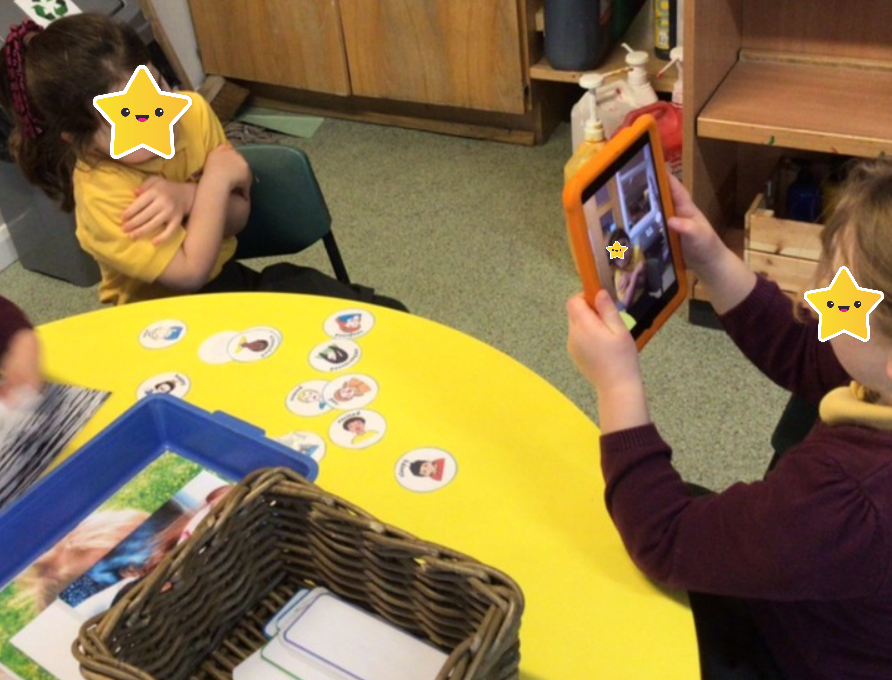
My emotions
Here children had to take a photograph of each other showing a different emotion and work out what it could be.
Implementation: how is PSHE being delivered?
We make sure PSHE is taught at Market Weighton Infant School as an area of learning in its own right as well as integrated where possible with other areas of the curriculum. Each class takes part in their own Quality Circle Time once a week. The Circle Time is linked to the area of need which their class teacher feels are necessary. For example this good be a link to one of our Golden Rules and/or the 5 basic skills which was mentioned earlier one. In Key Stage 1, PSHE lessons are held once a week on top of their Quality Circle Time. Our Key Stage 1 scheme of work covers all of the required objectives and follows three core areas:
- Health and Wellbeing,
- Relationships,
- Living in the Wider World.
The scheme of work fulfils the requirements of 2020 Statutory Relationships and Health Education.
The scheme of work is started in Year One and then is revisited and built upon in Year Two. This enables children to recall and build upon previous learning, exploring the underlying principles of PSHE education regularly at a depth that is appropriate for the age and stage of the child.
Progression in PSHE
There is a medium-term plan and units of work which, as the children move through the school, allow progression. In PSHE. Our school has taken key elements of the RHE (2019) curriculum and organised them into set of statements. This makes expectations very clear to teachers when using and where necessary adapting the lesson plans for each unit of work. These are:
Progression in relationships
Progression in health & wellbeing/ self-confidence & self-awareness
Progression in living in the wider world/ managing feelings
|
|
Progression in PSHE at Market Weighton Infant School | [pdf 152KB] |
|
| This document explains what your child will learn in PSHE in each year group as they move through the school. |
Helping children to remember their learning and make links
We want our children to be able to remember what they have been taught and be able to make some basic links with their subsequent learning. With this is mind, teachers carefully plan their PSHE lessons using a range of high-quality strategies:
- Activities that are approached creatively so it engages our children. Many approaches that are used are role play, discussion and games with groups of various sizes. For example, when Year One cover their topic of ‘Aiming High’ children had to work together to create a freeze frame of a particular career they would love to do when they grow up.
- Each Quality Circle Time is unique, interesting and lots and lots of FUN! The pace is fast and engaging and simple games are used to build team sense and create an amiable climate for effective listening and discussion.
- Children will feel empowered by the realisation that they are ‘involved’ and increasingly enabled to have an impact on their environment.
- Children are challenged to think and to care so that they can express their personal opinions and share their learning with younger pupils.
- For children who find learning more challenging, teachers use a whole range of strategies to help engage them in PSHE by pre-learning of specific vocabulary. However, the children can find and use different ways to express themselves such as drawing, role play and discussing their opinions.
Staff Training
Wherever possible, our teachers are engaged in discussion of what constitutes high quality teaching and learning in PSHE. These discussions are set within a practical context of real work children will be engaged in so that principles emerge from practice and can then be applied to other contexts. The profile of PSHE is kept high in school through our behaviour policy, staff’s positive mind-set. We also strive to reward the correct behaviour through our Headteacher’s awards, being on the ‘rainbow’ by following our school’s Golden Rules. Mrs Kay-Wood also leads an assembly with the theme ‘Look at us’ and it gives our parents and pupils the opportunity to celebrate their achievements both within and out of school.
Impact: how is “PSHE” enriching the learning of our children?
PSHE is taught as a basis for lifelong learning, where the children have access to a wide range of activities in the belief that if taught well and the children are allowed to succeed, then they will become valued, confident, understanding and motivated citizens. Children are enabled to develop the vocabulary and confidence needed to clearly articulate their thoughts and feelings in a climate of openness, trust and respect. They know when and how they can seek the support of others. For instance, each child has their own personalised ‘worry stone.’ In each classroom there is a worry box, when a child has a particular worry, they can place their stone inside the class worry box. All staff in each year group are aware to regularly check the worry boxes. When a member of staff has time and a quiet space they can ‘check in’ with that particular child and help, listen or give advice on their worry.
Our PSHE curriculum supports the active development of a culture that priorities physical and mental health and wellbeing, providing children with skills to evaluate and understand their own wellbeing needs, practise self-care and contribute positively to the wellbeing of those around them. During the topic of Health and Wellbeing, we focus a lot on mindfulness and having a positive mind set. Children showed a lot of enthusiasm during this topic and afterwards one pupil recalled:
“I loved the mindfulness session; I feel so relaxed and calm. I will do that at home when I need to.” Morgan, Year 2.
In the early years, we focus very much on the children’s PSED (Personal, Social and Emotional Development) to help them settle into school and start making new and lifelong friends. Our school’s Golden Rules are introduced through stories, helicopter stories and then followed up with a short Quality Circle Time which implements those rules. These can be revisited at any time depending on the class needs and this is evaluated by their class teacher. Our Foundation Stage currently use the ‘2buildaprofile’ app to track pupil’s development in PSED. Relaxations and mindfulness are started from the early years, we use a selection of short stories from the ‘Relax Kids’ resource. These stories can have links with other topics the children are learning about.
As the children move into Year One, our Golden Rules are still implemented through our Quality Circle times but they also begin the new PSHE Curriculum. They are taught about having high aspirations, being part of a team and community, and living in the wider world with a focus on Britain. Year One also use the ‘2buildaprofile’ app to monitor and track their PSHE coverage and skills. At the Start of the Autumn Term, Year One think and discuss their star qualities. This was then used as a display in each classroom. (Photo to be inserted).
As the children move into Year Two, these topics are revisited but in a lot more depth. Each class in Year two have a PSHE workbook. This is used to capture their voice, key vocabulary and our key skills. These are kept for children to look at, revisit at any time with parents and teachers. Children are proud of their work and enjoy looking through the class book they have created.
Teachers explain content clearly. This helps pupils, and particularly disadvantaged pupils and pupils with special educational needs and/or disabilities (SEND), to improve their use of PSHE skills and remember key vocab over time. Teachers’ careful consideration of how to adapt activities ensures that pupils with special educational needs or disabilities (SEND) access fully the PSHE curriculum.
Children’s self-confidence and self-esteem is high at Market Weighton Infant School. Our successful PSHE education has a positive impact on the whole child, including their academic development and progress, by mitigating any social and emotional barriers to learning and building confidence. PSHE is used as a whole school approach to positively impact wellbeing and this ensures that all children are able to develop the knowledge, skills and attributes they need to succeed at school and in the wider world.
Our Next Steps
- To update and replenish resources for the early years PSED curriculum such as puppets, props and shorter games.
- To implement a class PSHE workbook in Year One and Foundation which will then move up with the class throughout the school.
- To share our curriculum with parents more frequently.
- To develop a relaxation area on our playground to help with a calming down zone during the busy dinner playtime.
- To continue to develop dinner ladies training on using positive reinforcement to help encourage the positive behaviour from all pupils.